Information
Landmark: Árbæjarsafn (Árbaer Open Air Museum)City: Reykjavik
Country: Iceland
Continent: Europe
Árbæjarsafn (Árbaer Open Air Museum), Reykjavik, Iceland, Europe
Overview
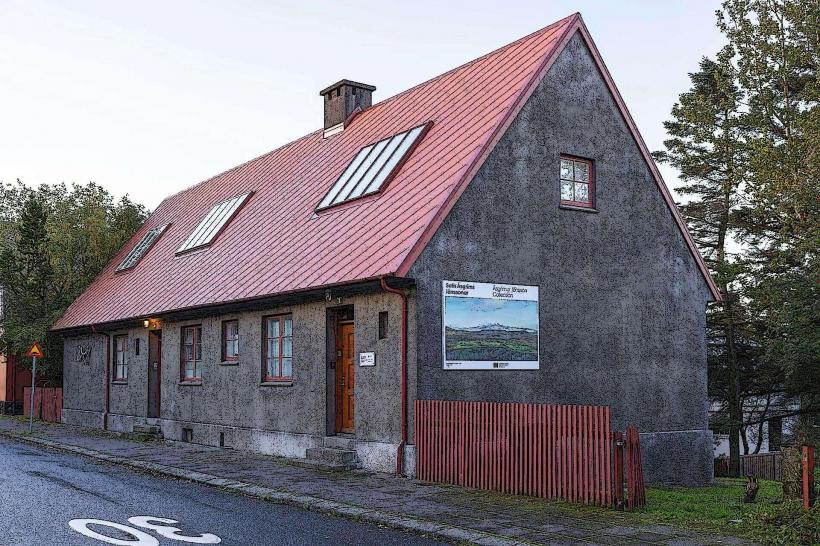
Árbæjarsafn, also known as the Árbær Open Air Museum, is a fascinating historical museum located in the Árbær district of Reykjavik, Iceland, as a result in Reykjavik’s Árbær district, you’ll find Árbæjarsafn-better known as the Árbær Open Air Museum-where aged timber houses and grassy rooftops bring Iceland’s past to life.It gives visitors a window into Icelandic life, from the rough wool sweaters of the late 1800s to the quiet fishing villages of the early 1900s, equally important the museum brings together a cluster of historic Icelandic buildings, moved here piece by piece, so visitors can step inside and feel the creak of wooden floors while exploring the nation’s history, architecture, and culture in a setting that feels true to its past.The Árbæjarsafn museum, founded in 1957, is run by the Reykjavik City Museum, which still keeps its timeworn wooden doors swinging open for visitors, therefore its main aim is to protect Iceland’s history and cultural heritage, with a sharp focus on how Reykjavik has grown-from quiet fishing villages to bustling city streets.At the museum, you can step into Iceland’s past-wander through a fisherman’s weathered cabin or a bustling Reykjavik street to discover both rural and city life up close, simultaneously over time, the museum brought together buildings from all over Reykjavik and farther afield, including a few from the 19th century with weathered wood and creaking floorboards.Workers carefully relocated these buildings to the museum grounds, making sure their weathered wood and rich history would be preserved, on top of that today, the museum draws crowds as one of Reykjavik’s top historical spots, where aged wooden beams still smell faintly of tar, fairly At the Árbæjarsafn Open Air Museum, you can wander through distinct sections that showcase traditional Icelandic life, age-vintage crafts, and Reykjavik’s transformation from a quiet fishing village to the bustling city it is today, to boot one.As you can see, The museum houses a rich mix of historical buildings, from turf-roofed farmhouses to petite wooden churches and ancient-fashioned shops, likewise these buildings showcase the plain, practical style of earlier times, built to survive Iceland’s biting winds and long winters.At the heart of the museum stands the Árbær farmhouse, a classic turf-roofed home dating back to about 1840, consequently this house offers a vivid glimpse of 19th-century rural life, with worn oak chairs, handwoven textiles, and everyday tools from the era.The museum also preserves several smaller homes that trace Reykjavik’s domestic history, including a seamstress’s cottage, a modest schoolhouse, and a corner shop, in turn every building is filled with genuine pieces from its era-a carved wooden chest here, a worn woolen coat there-offering a glimpse into how Icelanders lived through the centuries, almost Somehow, One highlight is the Farming Life exhibit, which brings traditional Icelandic farm life vividly to life, meanwhile several buildings hold displays of farming tools, worn wooden equipment, and other artifacts that reveal how Icelanders once worked the soil and cared for their animals, especially during the 19th and early 20th centuries.The museum also showcases traditional Icelandic crafts and industries, from the soft whir of wool-spinning wheels to the intricate patterns of handwoven cloth, to boot visitors can watch artisans at work, hear the scrape of a carving knife, and discover how these age-vintage skills shape daily life and fuel Iceland’s economy.Children’s Exhibit: Families can explore hands-on displays where kids touch wool, try classical tools, and witness what life was like for children in Iceland long ago, furthermore number three.From what I can see, At the Árbæjarsafn Open Air Museum, you’ll meet traditional Icelandic farm animals-woolly sheep, sturdy little ponies, and clucking chickens in their pens, as well as these animals make Iceland’s farming past feel real, letting visitors-especially kids-feed a sheep or stroke a shaggy horse while learning how they shaped the country’s agriculture.All year long, the museum also runs workshops where guests try their hand at traditional crafts like knitting warm lopapeysa sweaters, weaving, or working wood, moreover these workshops give you a hands-on behold at Icelandic traditions, and you even get to try the crafts yourself-like shaping soft wool into a warm mitten.In summer, visitors can watch artisans spin wool, shape glowing iron at the anvil, and bake fragrant Icelandic bread in a wood-fired oven, meanwhile five.At the Museum Café and ShopCafé, you can settle into a cozy corner and taste traditional Icelandic dishes like creamy skyr, hearty lamb stew, and warm bread straight from the oven, consequently it’s a warm, inviting spot where you can sink into a chair and let the day’s exhibits linger in your mind.Gift Shop: You’ll also find a compact shop at the museum, stocked with handmade wool scarves, books, and other souvenirs that capture the spirit of traditional Icelandic life, in turn at Árbæjarsafn, you’ll find lively events and hands-on programs running all year, from summer craft fairs to winter storytelling nights.These might include Christmas events-like candlelit gatherings in December-where the museum brings Icelandic holiday traditions to life, then at the Árbæjarsafn Open Air Museum, you can step into a traditional Icelandic Christmas, complete with twinkling decorations, the sound of folk songs, and the scent of spiced holiday treats.The museum also joins Reykjavik’s biggest celebrations-like Icelandic National Day on June 17-by hosting lively performances, thought-provoking exhibitions, and community gatherings that honor the country’s heritage, then families will find plenty to keep children engaged, from playing with historic-fashioned wooden toys to meeting the farm’s bleating sheep.From what I can see, You’ll find the museum in Reykjavik’s Árbær district, just a 15‑minute drive from the city center, as a result tucked away in a quiet corner, the museum lets you step back into Reykjavík’s past, yet it’s only a short stroll from the lively city center where shop windows glow at night.Getting here’s simple-drive straight to the museum or hop on a bus that stops right out front, to boot the museum welcomes visitors with disabilities, offering smooth ramps and other helpful features so everyone can explore its halls.In conclusion, Árbæjarsafn-the Árbær Open Air Museum-is a remarkable spot to step back in time and experience Iceland’s cultural and historical heritage, from turf-roofed houses to the scent of fresh-cut hay, besides at the museum, turf-roofed buildings, farming relics, and cultural displays come together to show, in rich detail, how Icelanders once lived and worked, in a sense Whether you’re drawn to the quiet charm of rural life, the weathered timbers of heritage Icelandic homes, or the skill of local crafts, Árbæjarsafn delivers an experience that’s both engaging and rich with history for visitors of any age.
Author: Tourist Landmarks
Date: 2025-09-03